
Danyo Ilunga joins DBC Germany in Essen: the Congolese-German icon in the diaspora's corner
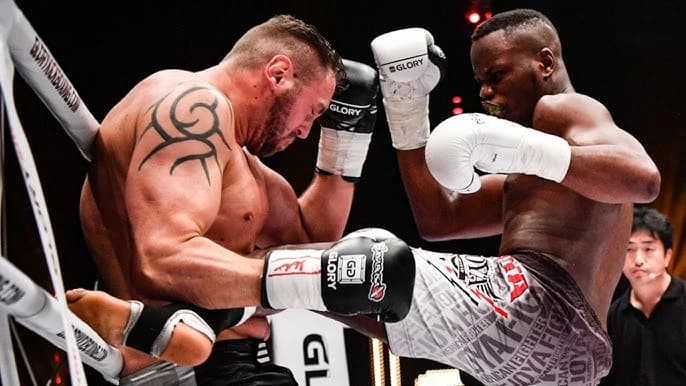
A five-time kickboxing world champion as guest of honour at a business gathering. The surprise fades the moment you know the story.
In the ring, Danyo "Dibuba" Ilunga walks out in traditional African warrior regalia — not a costume, a statement. On 13 June 2026 he won't be walking into a ring. He'll be the guest of honour at the Richesses d'Afrique Masterclass Germany 2026, in Essen, among the entrepreneurs and leaders DBC Germany is bringing together. What is a fighter doing at a business event? Fair question. The answer is one word: trajectory.
The record, for the file
Born in Kinshasa on 31 January 1987, Ilunga became one of the most respected light-heavyweights in European kickboxing. A five-time kickboxing and Muay Thai world champion, he notably held the It's Showtime 95MAX world title. A veteran of GLORY and a feared puncher — most of his wins came by knockout — his 2016 bout with Michael Duut was voted Fight of the Year by the league's fans. He has long trained with Remy Bonjasky, three-time K-1 World Grand Prix winner. The full record lives on his Wikipedia page and will get its own profile; what matters here is what sits behind it.
Kinshasa, exile, Germany
Ilunga didn't make himself alone, and he doesn't hide it. One of seven children, grandson of a local chief, he left Congo as a boy. His father — a former boxer, pastor and politician tied to the opposition — moved the family out when the climate turned too dangerous for those who challenged the government. That is how Congo became Germany, and how a kid from Kinshasa grew up in Waldbröl, near Cologne.
That story — the Congolese exile to Germany, the rebuilding, the double identity — isn't the character's backdrop. It's the center of it. And it's precisely the audience DBC Germany is trying to gather: people who live between two countries and have made it a strength rather than a fracture.
The warrior's dress, as a manifesto
The most telling detail is still what he wears walking to the ring. Ilunga fights under two flags, Congolese and German, and he owns it down to the staging. His ring name, "Dibuba," nods to the one who leads the village — a wink at the heritage he carries. For a movement that talks about pride and cultural ownership, the symbolism is plain: you can succeed in Europe without disowning where you came from.
Why a champion belongs at a business Masterclass
There's still the underlying objection: athletic performance isn't economic performance. True. But Ilunga's arc isn't that of a celebrity booked for the photo. It's a story of discipline, mastery, and a second life beyond the sport — exactly the kind of path Richesses d'Afrique puts forward. In Essen he isn't there as a speaker. He's there as guest of honour — and his presence alone already says what the movement wants to pass on: you can build a second life, mentor, last.
That guest also answers Ruth Bambi and Jay N. Kalala, the two faces carrying the Masterclass: the leader, the builder, and now the champion. Three ways of embodying the same idea — a diaspora that builds. The deeper question, of African athletes and their second careers, deserves its own debate.
As a fighter and entrepreneur active in both the Democratic Republic of the Congo and Germany, I am proud to stand with those who believe that Africa’s greatest untapped resource is its diaspora—and that the continent needs it now more than ever.
— Danyo Ilunga
See you on 13 June
The full Masterclass programme — venue, schedule, ticketing — firms up over the coming weeks. The announcement, though, is made: on 13 June 2026, in a Ruhr city that reinvented itself, a child of Kinshasa turned European champion will be the guest of honour at a gathering about something other than fighting. For many in the room, his presence will be the most resonant moment of the day. The specialist press knows his story. The diaspora is about to recognize it.
More articles
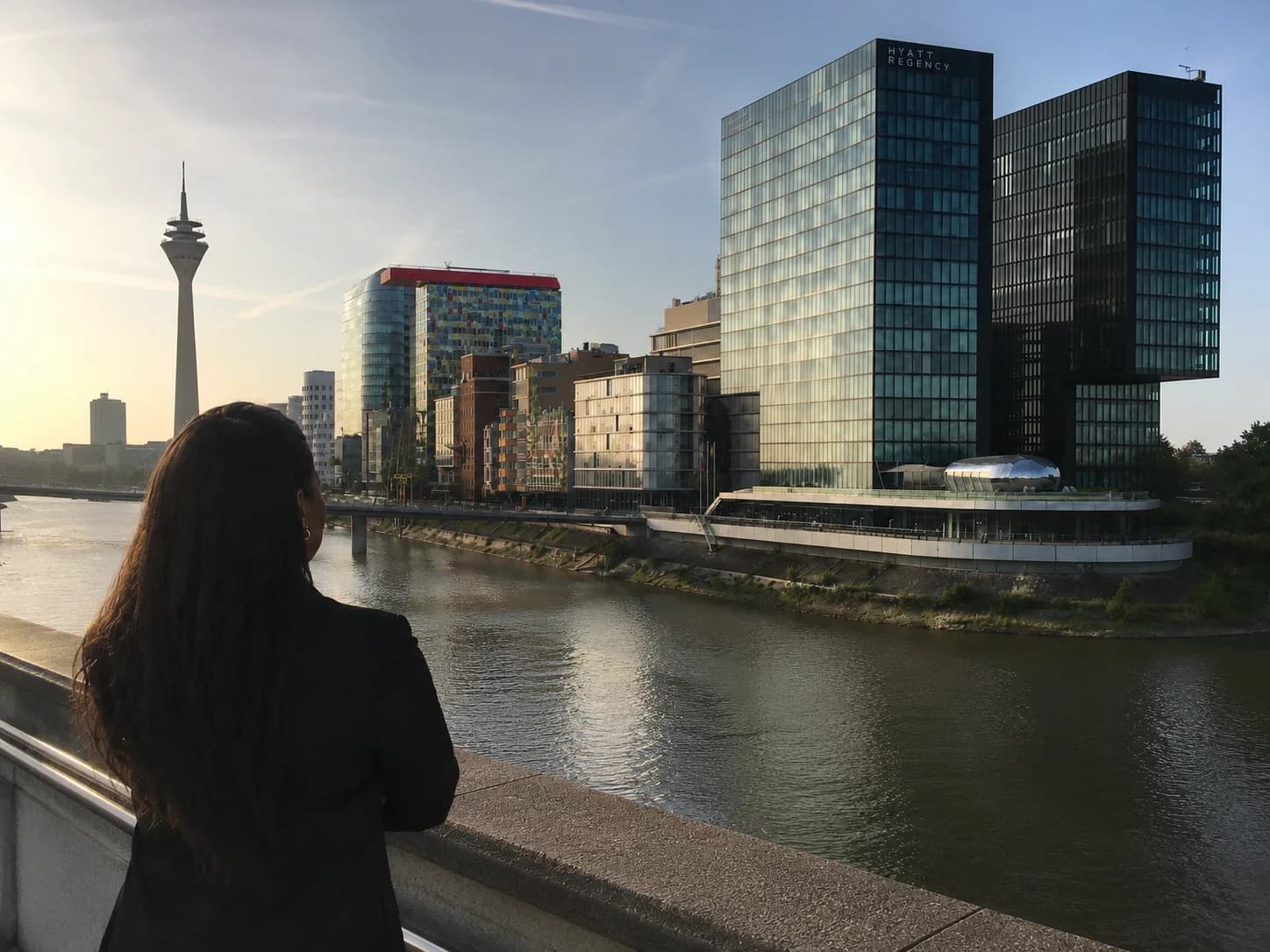
DBC Germany: why Düsseldorf, and what awaits Essen on 13 June 2026
A pan-African business movement is planting its German flag in the Ruhr. The choice is surprising — until you read the map.
DBC Germany
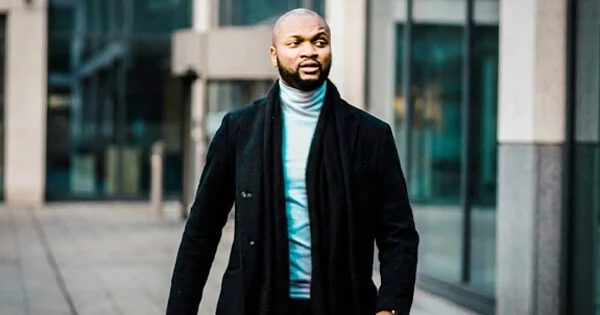
From critic to builder: Jay N. Kalala and the digital backbone of DBC
He first challenged the story of African business from a France 24 panel. Now he is the one coding the Diambilay Business Center's digital backbone. The portrait of a turn.
DBC Germany
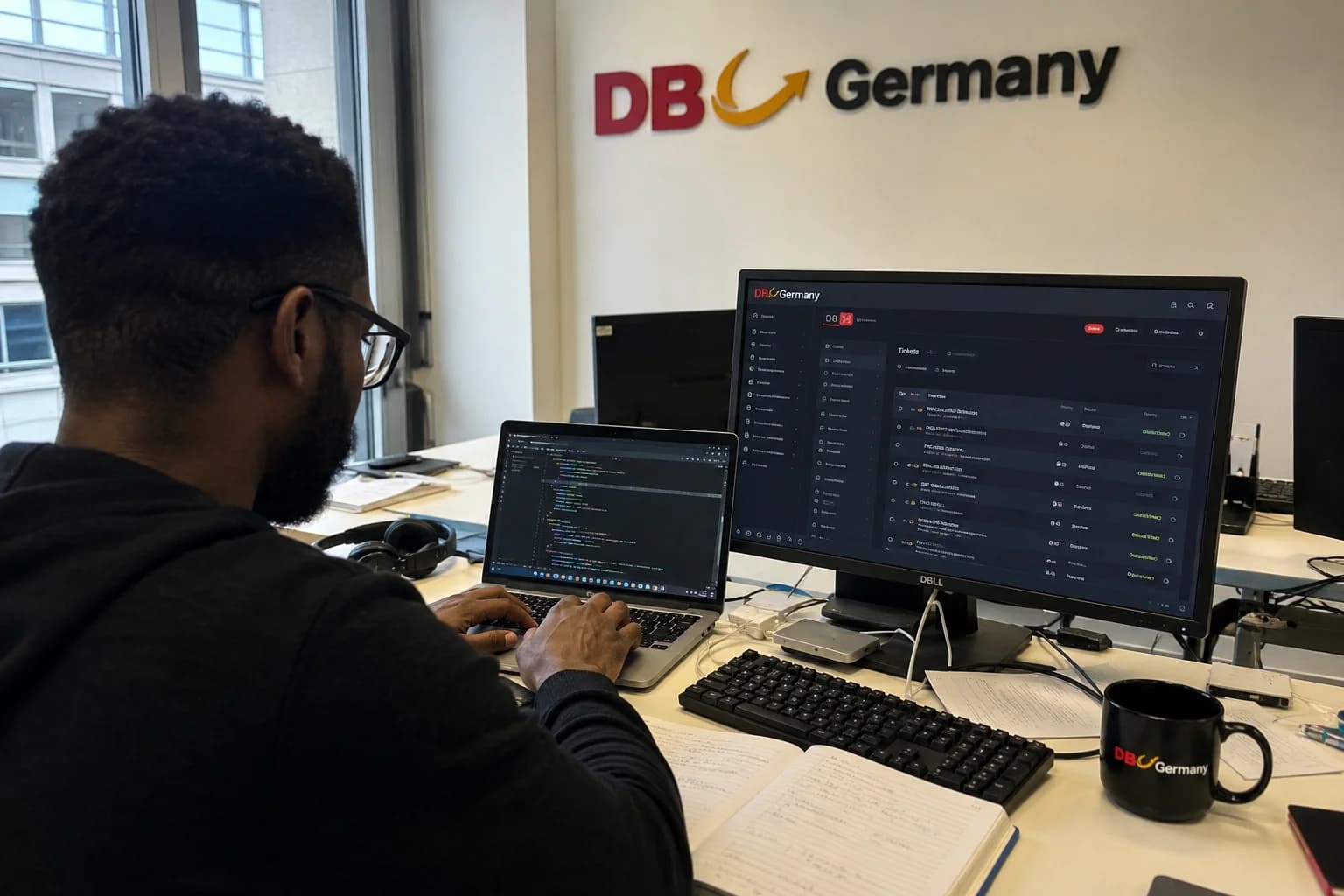
DBC Germany goes digital, betting on systems it builds itself
The Düsseldorf branch of Diambilay Business Center is trading rented software for an in-house ecosystem — and Richesses d’Afrique Masterclass Germany 2026 will be the first test.
DBC Germany